Laser Correction in Edmonton. What to Do If Your Previous Laser Treatments Didn’t Work
Laser treatments are powerful.
But they are not automatic.
Every year in Edmonton, clients search:
“Why didn’t laser hair removal work?”
“Why is my tattoo not fading?”
“Is laser a scam?”
In most cases, the issue isn’t the technology.
It’s the planning.
Laser correction isn’t about fixing damage. It’s about reassessing strategy.
What Is Laser Correction?
Laser correction is the process of reassessing previous laser hair removal or tattoo removal treatments to evaluate settings, spacing, and biological response before continuing care.
Laser correction means:
Reviewing previous treatment history
Evaluating settings used
Assessing response patterns
Adjusting approach going forward
It is not a separate machine.
It is a different mindset.
Why Laser Treatments Sometimes Stall
Conservative Settings
Low settings reduce discomfort – but may slow progress.
Improper Spacing
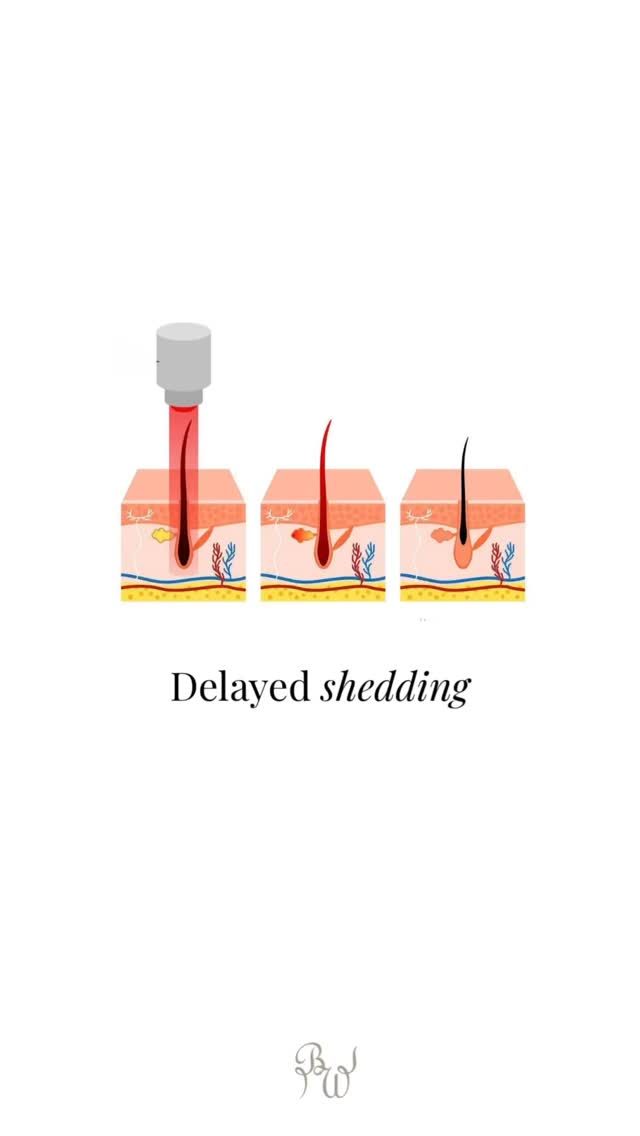
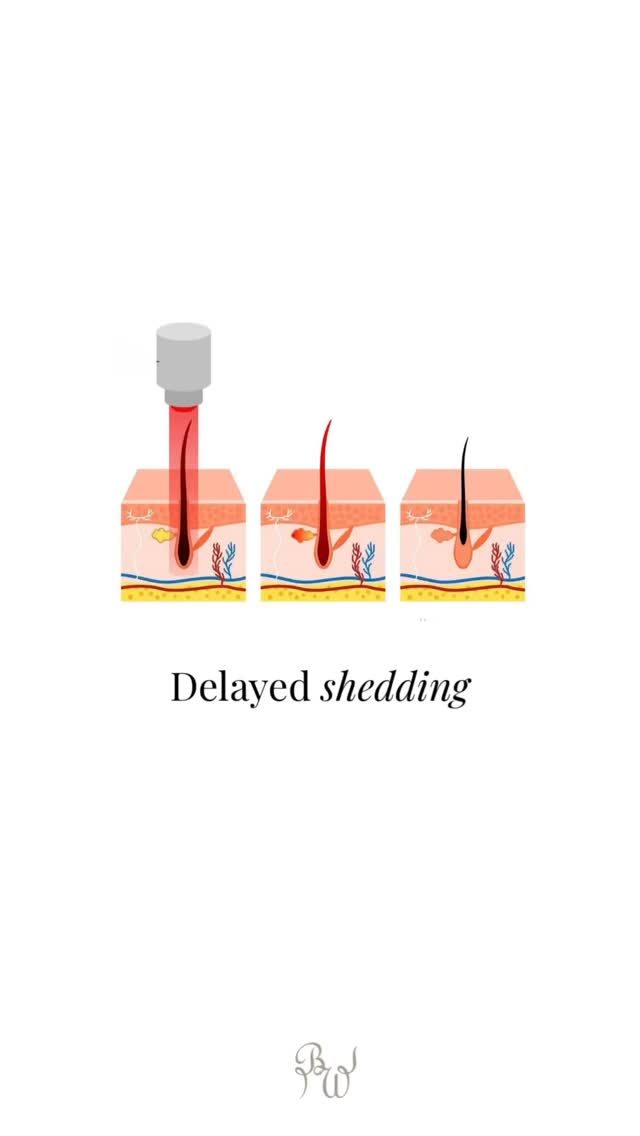
Hair cycles and immune clearance timelines matter.
Why Does Laser Hair Removal Sometimes Stop Working?
Laser hair removal may appear to stop working if treatments are spaced too closely, settings are too conservative, hormonal factors are influencing regrowth, or adjustments are not made as hair density changes. Laser requires reassessment over time to maintain consistent reduction.
Why Is My Tattoo Not Fading After Multiple Sessions?
Tattoo removal progress may slow if energy settings are too low, sessions are performed too frequently, pigment is deeply saturated, or treatment strategy is not adjusted as ink breaks down. Tattoo removal requires evolving settings as fading progresses.